
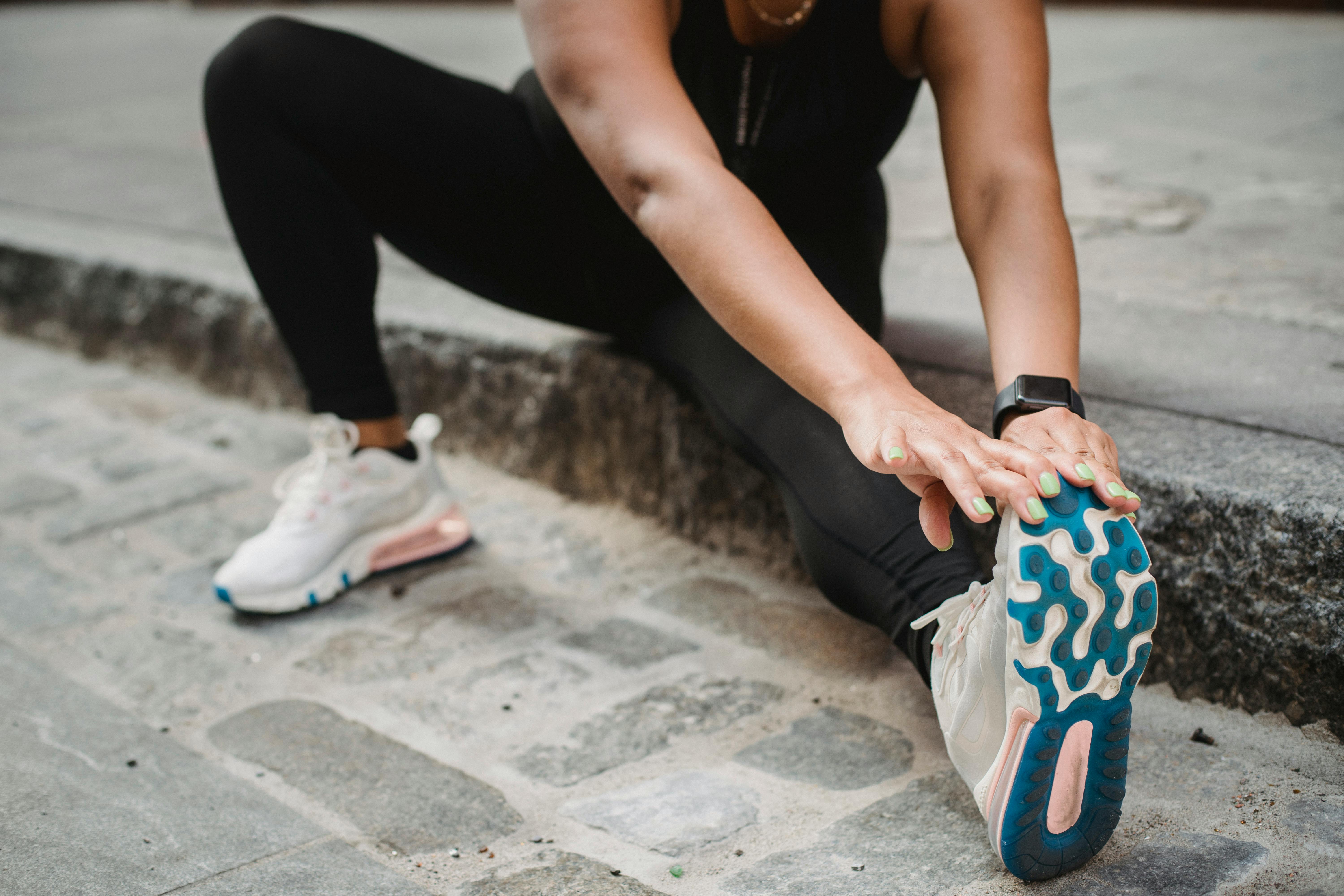
At BLK BOX GYM in Richmond, BC, we understand that training results improve fastest when you remove guesswork and follow a plan that fits your lifestyle. For high achievers, that usually means one thing: track what matters, review the data, and keep improving.
That’s exactly why wearables—like smart watches, heart-rate monitors, and fitness apps—are changing the way people exercise. When used the right way (and paired with expert coaching), wearables help you train with more precision, recover smarter, and stay consistent long enough to see real changes.
Let’s explore the key stages of using wearables effectively, and how they can bridge personal training and tech for better results.
Wearables are tools—not magic. They don’t replace discipline, good programming, or proper technique. But they do give you a clearer picture of what’s happening during training and recovery.
Most wearables can track:
At BLK BOX GYM, we like wearables because they make training more objective. Instead of “I think I worked hard,” you can see whether you actually hit the right intensity for your goal.
One of the biggest benefits of a smart watch or chest strap is heart-rate zone training—especially if your goal is fat loss, conditioning, or improved endurance.
Here’s why it works: different heart-rate zones train different systems. If you’re always training “kind of hard,” you’ll often get “kind of results.”
The key isn’t chasing the highest heart rate possible—it’s matching intensity to purpose.
Fitness apps help you turn good intentions into repeatable habits. Whether you use the Apple Fitness app, Garmin Connect, Strava, or a coaching app, the main advantage is simple: structure.
Apps can help you:
Consistency beats intensity every time. Wearables and apps make it easier to stay consistent because they give you small daily targets that add up.
Wearables aren’t only for runners. Strength-focused members can use tech to make lifting more measurable too—especially when your goal is muscle gain, strength, or body recomposition.
Progressive overload works best when it’s planned. Data helps you see whether you’re truly improving—or just repeating the same weights every week.
Training breaks your body down. Recovery builds it back up. Many people hit plateaus because they train hard but recover poorly—especially with stressful schedules, travel, late nights, or inconsistent sleep.
Wearables can highlight patterns in:
If your sleep drops and your resting heart rate rises for several days, that’s often a sign you need smarter recovery: lighter training, more hydration, better sleep, or reduced weekly volume.
At BLK BOX GYM, we don’t just push harder—we adjust smarter so you can keep progressing long-term.
This is where wearables become truly useful: when your coach helps interpret the data.
A trainer can use wearable trends to:
Data doesn’t matter if it doesn’t change your actions. Coaching turns numbers into strategy.
Wearables can also backfire if you focus on the wrong things. Here are the most common problems we see:
Wearables should reduce confusion, not increase anxiety. Use them to guide the plan—not control your life.
Here are simple, realistic targets that work well for most members:
Small wins create momentum—and momentum is what transforms your body.
At BLK BOX GYM, our mission is to accompany you on your fitness journey and unlock your fullest potential. Our highly-rated personal trainers in Richmond, BC, specialize in designing tailored workout and nutrition programs that cater to your individual goals and preferences.
Whether you are taking your first steps into the fitness world or you are an experienced athlete looking to enhance your training, we offer a comprehensive array of solutions focused on increasing muscle development, boosting strength, and improving your overall health. Our personal training studio in Richmond BC is equipped with state-of-the-art technology, ensuring you have access to everything you need to succeed. BLK BOX GYM
We believe fitness transcends routine gym exercises—it's a lifestyle. That's why we've created a supportive and motivational environment at our personal training studio in Richmond, designed to keep you engaged and committed to your goals. BLK BOX GYM
Don't wait to start your transformative journey! Book a free consultation today at our personal training studio in Richmond, BC, and discover how BLK BOX GYM can help you evolve into the best version of yourself! BLK BOX GYM
.jpg)